
No products in the cart.
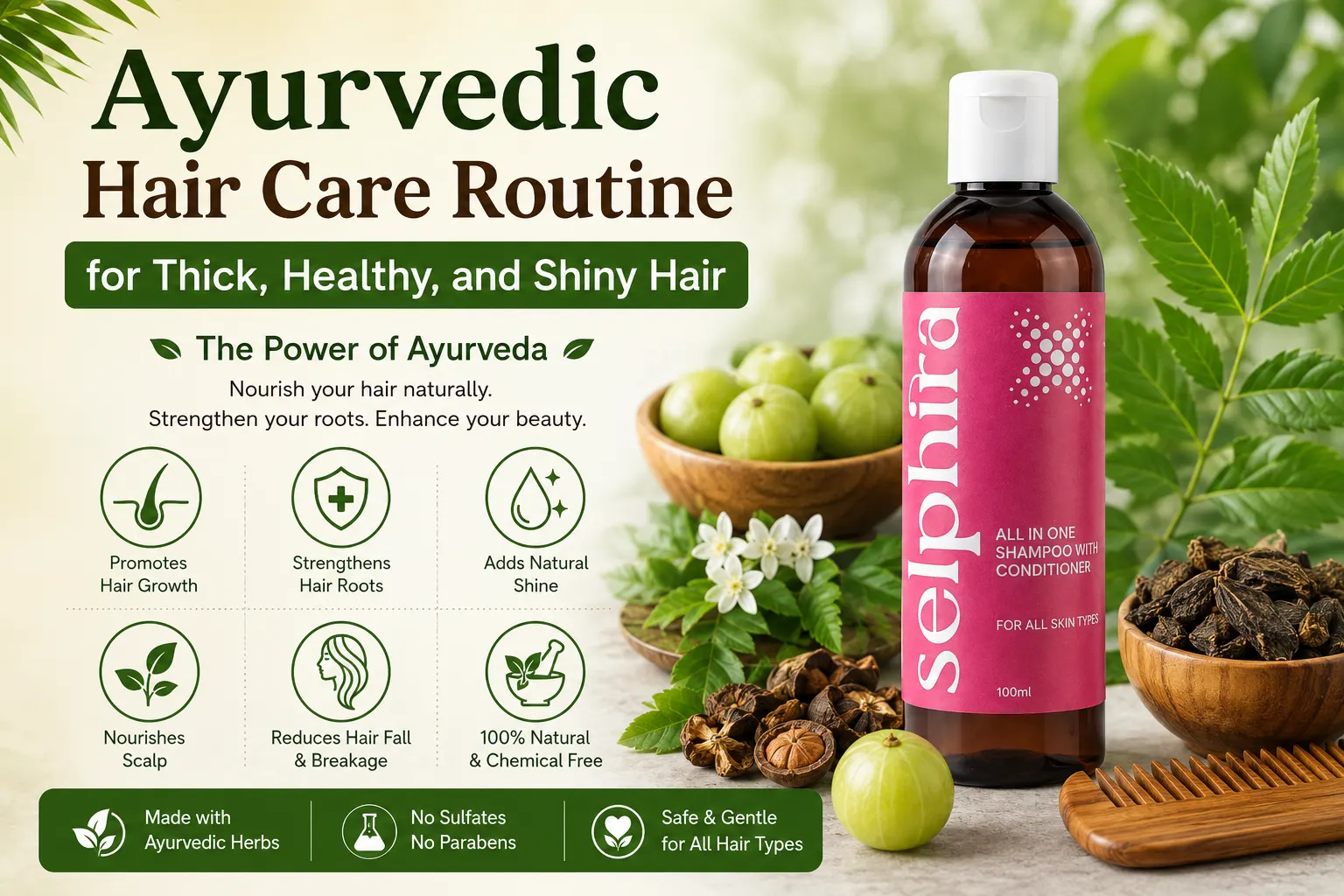
Ayurvedic Hair Care Routine for Thick, Healthy, and Shiny Hair
Healthy, thick, and shiny hair is a sign of good scalp health and proper nourishment. However, pollution, stress, poor diet, chemical-based hair products, and unhealthy lifestyles can make hair weak, dull, and prone to hair fall. This is why more people are turning toward Ayurvedic products for natural and long-lasting hair care solutions.
Ayurveda, the ancient Indian system of wellness, focuses on balancing the body and nourishing hair from the roots. Unlike chemical treatments that often provide temporary results, Ayurvedic remedies work on improving scalp health, strengthening hair follicles, and promoting natural hair growth. By following a proper Ayurvedic hair care routine, you can achieve stronger, healthier, and shinier hair without exposing it to harmful ingredients.
In this guide, we will explore a complete Ayurvedic hair care routine for thick, healthy, and shiny hair, including the benefits of Ayurvedic products, the importance of using an Ayurvedic shampoo, scalp care tips, dietary recommendations, and more.
Why Choose Ayurvedic Products for Hair Care?
Ayurvedic products are formulated using natural herbs, plant extracts, and traditional ingredients that have been used for centuries to improve hair health.
Benefits of Ayurvedic Hair Care
- Strengthens hair roots naturally
- Reduces hair fall and breakage
- Promotes healthy hair growth
- Nourishes the scalp deeply
- Helps control dandruff and itchiness
- Improves hair texture and shine
- Free from harsh chemicals and sulfates
Regular use of Ayurvedic solutions can help maintain overall scalp health while making hair stronger and more manageable.
Understanding the Basics of Ayurvedic Hair Care
Ayurveda believes that healthy hair begins with a healthy scalp and balanced body. Hair problems often occur due to imbalances in the body’s doshas—Vata, Pitta, and Kapha.
Common Ayurvedic Herbs for Hair
Amla
Amla is rich in Vitamin C and antioxidants that strengthen hair follicles and improve shine.
Bhringraj
Known as the “King of Herbs” for hair, Bhringraj helps support hair growth and reduce hair thinning.
Brahmi
Brahmi nourishes the scalp and helps reduce stress-related hair issues.
Neem
Neem has antibacterial properties that help maintain a clean and healthy scalp.
Shikakai
A natural cleanser that gently removes dirt while preserving the scalp’s natural oils.
Step-by-Step Ayurvedic Hair Care Routine
Following a structured routine can maximize the benefits of Ayurvedic products and improve overall hair health.
Step 1: Nourish Your Hair with Ayurvedic Hair Oil
Hair oiling is one of the most important steps in Ayurveda.
How to Oil Your Hair Properly
- Warm the oil slightly.
- Apply it directly to the scalp.
- Massage gently using circular motions.
- Leave it overnight or for at least 1–2 hours.
- Wash with a mild Ayurvedic Shampoo.
Best Ayurvedic Oils
- Bhringraj Oil
- Amla Oil
- Brahmi Oil
- Coconut Oil infused with Ayurvedic herbs
Regular oiling improves blood circulation and nourishes the hair roots.
Step 2: Cleanse with an Ayurvedic Shampoo
Using an Ayurvedic shampoo is essential for maintaining scalp hygiene without stripping away natural oils.
Why Choose an Ayurvedic Shampoo?
An Ayurvedic shampoo contains herbal ingredients that gently cleanse the scalp while providing nourishment.
Key Benefits
- Removes dirt and excess oil
- Supports healthy hair growth
- Reduces dandruff
- Maintains scalp moisture
- Improves hair texture
Look for shampoos containing ingredients such as:
- Amla
- Shikakai
- Reetha
- Neem
- Bhringraj
These ingredients help keep hair healthy and naturally shiny.
Step 3: Apply a Natural Ayurvedic Hair Mask
Hair masks provide deep nourishment and repair damaged strands.
DIY Ayurvedic Hair Mask Recipe
Mix:
- 2 tablespoons Amla Powder
- 1 tablespoon Brahmi Powder
- 2 tablespoons Yogurt
Apply to the scalp and hair for 30 minutes before washing.
Benefits
- Strengthens roots
- Improves shine
- Reduces hair breakage
- Supports scalp health
Using a hair mask once a week can significantly improve hair quality.
Step 4: Maintain a Healthy Scalp
A healthy scalp creates the foundation for healthy hair growth.
Tips for Scalp Care
- Keep the scalp clean
- Avoid excessive heat styling
- Massage regularly
- Stay hydrated
- Use gentle Ayurvedic products
Signs of a Healthy Scalp
- No excessive itching
- Minimal dandruff
- Balanced oil production
- Strong hair roots
Step 5: Follow an Ayurvedic Diet for Hair Health
Ayurveda emphasizes internal nourishment as much as external care.
Foods That Support Hair Growth
Protein-Rich Foods
- Lentils
- Beans
- Paneer
- Nuts
Iron-Rich Foods
- Spinach
- Beetroot
- Dates
Healthy Fats
- Almonds
- Walnuts
- Seeds
Ayurvedic Drinks for Hair Health
- Amla Juice
- Aloe Vera Juice
- Herbal Teas
A nutrient-rich diet complements the benefits of Ayurvedic products and supports stronger hair growth.
Common Mistakes to Avoid in Your Hair Care Routine
Many people unknowingly damage their hair through improper habits.
Avoid These Mistakes
- Overwashing your hair
- Using very hot water
- Skipping oil massages
- Excessive use of styling tools
- Using harsh chemical products
Replacing chemical-based products with quality Ayurvedic products can help prevent long-term hair damage.
How Long Does It Take to See Results?
Quick Answer
Most people notice improvements in hair texture and scalp health within 4–8 weeks of consistently following an Ayurvedic hair care routine.
Factors That Affect Results
- Hair type
- Diet
- Lifestyle
- Product quality
- Consistency
Patience and regular care are essential for achieving visible and lasting results.
Best Ayurvedic Products for Hair Care
Look for Ingredients Such As
When selecting Ayurvedic products, choose formulations that contain proven herbal ingredients.
- Amla
- Bhringraj
- Brahmi
- Neem
- Shikakai
- Reetha
- Aloe Vera
These ingredients work together to strengthen hair, nourish the scalp, and improve overall hair appearance.
Why Ayurvedic Hair Care Is Better for Long-Term Hair Health
Unlike chemical treatments that often provide temporary results, Ayurvedic solutions focus on addressing the root causes of hair problems.
Regular use of Ayurvedic products combined with a nourishing diet and healthy lifestyle can help maintain stronger, thicker, and shinier hair for years.
The holistic approach of Ayurveda not only improves hair appearance but also supports overall wellness.
Conclusion
A consistent Ayurvedic Hair Care Routine for Thick, Healthy, and Shiny Hair can transform the health and appearance of your hair naturally. By incorporating high-quality Ayurvedic products, regular oil massages, a nourishing Ayurvedic Shampoo, scalp treatments, and a balanced diet, you can support stronger roots, healthier growth, and long-lasting shine.
If you are looking for a natural and effective way to improve your hair health, now is the perfect time to switch to Ayurvedic hair care. Choose trusted Ayurvedic formulations, follow the routine consistently, and experience healthier, thicker, and more beautiful hair naturally.
FAQs
1. Are Ayurvedic products effective for hair growth?
Yes, Ayurvedic products containing Amla, Bhringraj, Brahmi, and Shikakai can help nourish the scalp, strengthen hair follicles, and support healthy hair growth when used consistently.
2. Which Ayurvedic Shampoo is best for daily use?
An Ayurvedic Shampoo made with natural ingredients such as Amla, Neem, Reetha, and Shikakai is generally suitable for regular use and helps maintain scalp health.
3. How often should I use Ayurvedic products for hair care?
Most Ayurvedic hair care experts recommend oiling 2–3 times a week, using an Ayurvedic Shampoo as needed, and applying a hair mask once a week.
4. Can Ayurvedic products help reduce hair fall?
Yes, many Ayurvedic products are formulated to strengthen hair roots, improve scalp health, and reduce common causes of hair fall.
5. How long does it take for Ayurvedic products to show results?
With consistent use, Ayurvedic products may start showing visible improvements in scalp health and hair texture within 4–8 weeks, though results vary by individual.
Leave a Comment: